Why Connected Wellness Needs Practical Engineering
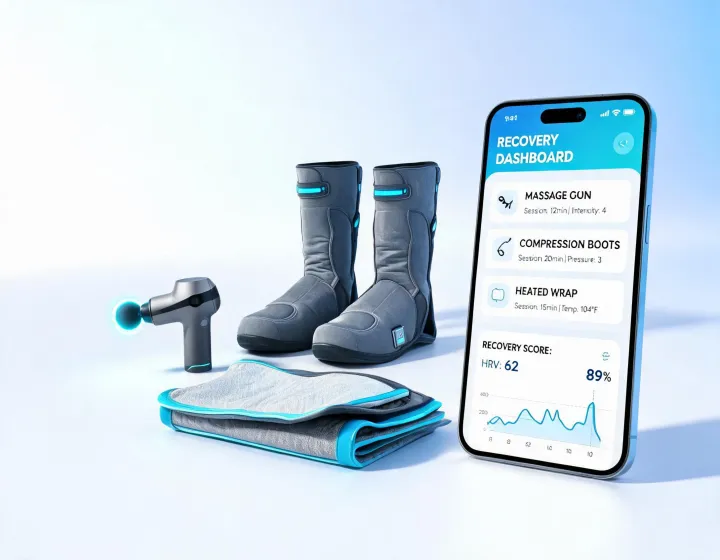
A recovery device should not become complicated simply because it has an app. Hyperice treats connectivity as a support layer: it can guide routines, improve onboarding, remind users about attachments and help service teams understand common questions. The hardware remains the primary experience, which means grip comfort, pressure consistency, motor durability, heat control and charging behavior still come first. For buyers, this approach lowers launch risk. A brand can present a premium smart product while keeping the field experience simple enough for retail staff, hotel teams, clinic operators and e-commerce customers to understand quickly.
When a buyer wants Tuya, Bluetooth or Matter-adjacent positioning, we clarify the difference between certified smart-home behavior, local app control and brand storytelling. That distinction protects marketplace copy, support scripts and packaging claims. It also helps the program scale, because future SKUs can share routine logic, accessory names and service messages instead of starting again from a disconnected feature list.